Ferroic and Structural Materials
Our research projects aim to develop novel physical properties by understanding the metastable structure via non-equilibrium processing. It spans a broad range of subject areas, such as energy materials and structural materials, in response to our society’s most urgent need in materials science.
Our vision is to enable predictive, accelerated design of functional materials that operate reliably in high demanding applications.
- Focus on processing-structure-property-performance linkages
- Emphasis on non-equilibrium and metastable states
- Tight integration of experiments, modeling, and data
- Unique high temperature testing capability
We aim to understand and harness composition complexity and metastable structures and in complex concentrated alloys (CCAs)
- Controlling order–disorder transformations through non-equilibrium processing
- Microstructure engineering—through multiple length scale from nano, meso, to micron, and mm, include hierarchical, heterogeneous microstructure
- Accelerated materials development through high fidelity experiments and automation
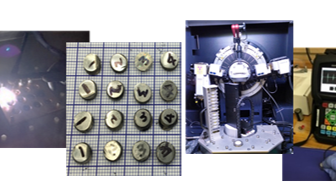
Advanced Materials, composition complexity, high-quality small-scale synthesis
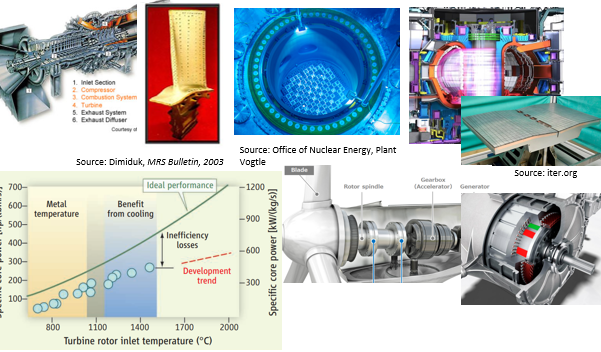
Materials for high-temperature, high-stress, and reactive environments
- High-temperature alloys, CCAs / HEAs, superalloys
- Lightweight structural materials
- Critical materials
- Phase stability under service conditions
- Materials with higher operating limits and reliability
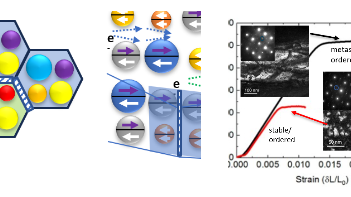
Advanced Materials, composition complexity, high-quality small-scale synthesis
Materials for high-temperature, high-stress, and reactive environments
- High-temperature alloys, CCAs / HEAs, superalloys
- Lightweight structural materials
- Critical materials
- Phase stability under service conditions
- Materials with higher operating limits and reliability
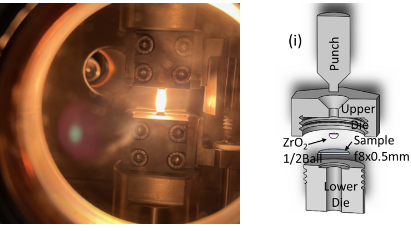
High fidelity & Multiscale Characterization
Understanding how materials evolve during service
- In-situ deformation, thermal exposure, oxidation
- Linking nanoscale mechanisms to component-scale behavior
- High temperature tensile, creep, and oxidation
- Mechanistic insight for lifetime prediction
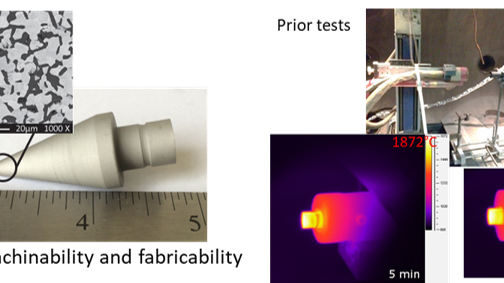
Insertion, structure and architecture
- Material level development for improved thermal, mechanical, environmental properties
- Component level testing, leading edges, skins
- Multidiscipline research enable system level insertion (modeling and testing)
- Component level development crossing the technology valley of death
Materials of current research interests
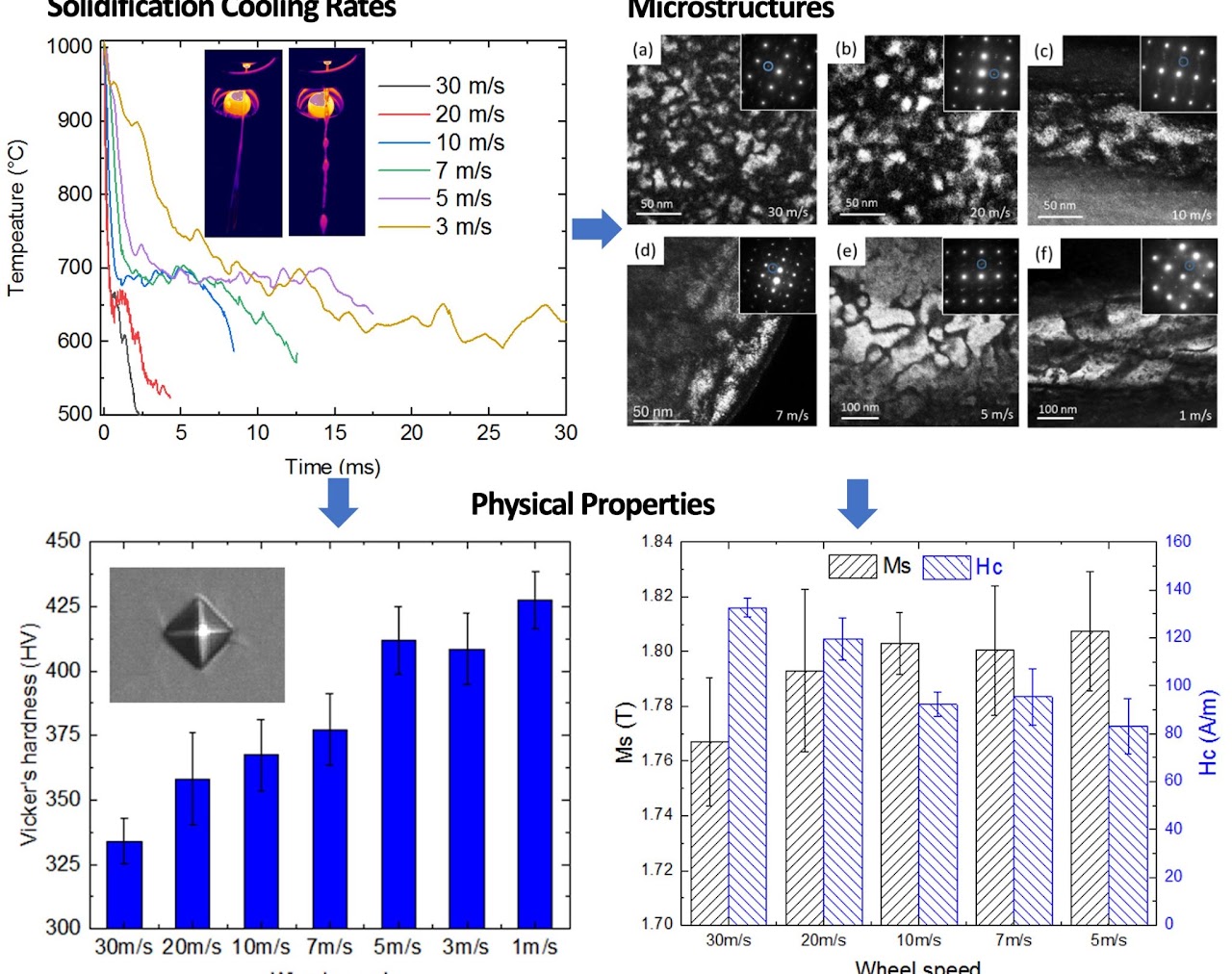
Magnetic materials
Using non-equilibrium processing, our group aims to understand and tune the ordering degree of energy and structural materials for improved physical properties.
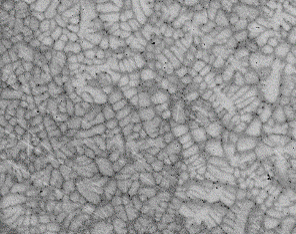
Refractory alloys
Our group is interested in the compositional design of refractory alloys. Through high throughput synthsis and high fidelity characterization, we aim to develop refectory alloys that are resilient in its room temperature ductility and high temperature creep properties.

High temperature alloys
Our group is interested in the structure-property relationship for energy and structural materials. We focus on tuning microstructure size scale and their texture for improved magnetic, mechanical, and oxidation behaviors.
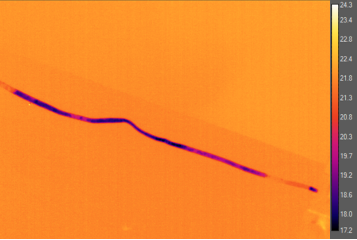
Functional alloys
We focus on controlling the shape anisotropy from the nanoscale to the macroscale for better energy and structural materials.
Societal Impact
Materials are the foundation of modern technologies. At the FestMat Laboratory, we develop advanced materials that enable more efficient energy systems, cleaner transportation, resilient infrastructure, and next-generation aerospace technologies. By improving the performance, reliability, and sustainability of materials operating under extreme conditions, our research contributes to global efforts in energy security, manufacturing innovation, and technological competitiveness.
Equally important, we are committed to educating the next generation of scientists and engineers through mentorship, interdisciplinary collaboration, and hands-on research experiences that prepare students to address society's most pressing engineering challenges.