Supercooled Water Freezing Initiates at Preferred Sites on a Surface
Team: Daniel Gardner; Advisor Dr. Hailei Wang
Project
- Nucleation, the process that begins the phase transition of liquid water to ice, is an important phenomenon and yet gaps remain in understanding its complexities
- Freezing is most likely to initiate at a water-surface interface
- This research seeks to describe and quantify ice nucleation behavior on surfaces to support the development of reliable supercooling-based thermal energy storage
Methods
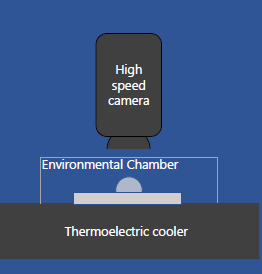
- A waterdroplet was cooled on an aluminum surfaceat a constant cooling rate
- Temperature and videowere recorded
- Statistical inference methods were used to estimate the nucleation rate (frequency of freezing initiation) as a function of temperature
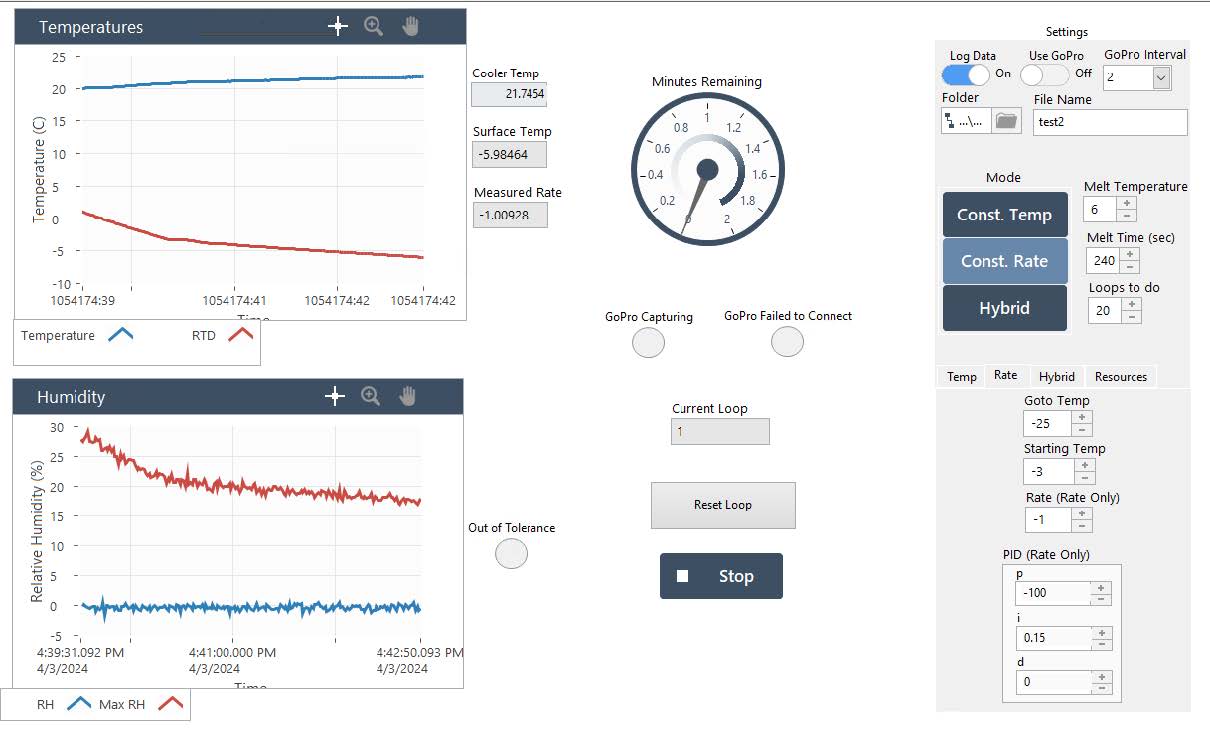
LabVIEW acquisition and control program
Classical nucleation theory, which describes how freezing starts with a critically sized embryo, is used as the framework to model the nucleation rate with temperature

Fraction of droplets frozen with temperature for the most active site along with the estimated nucleation rate
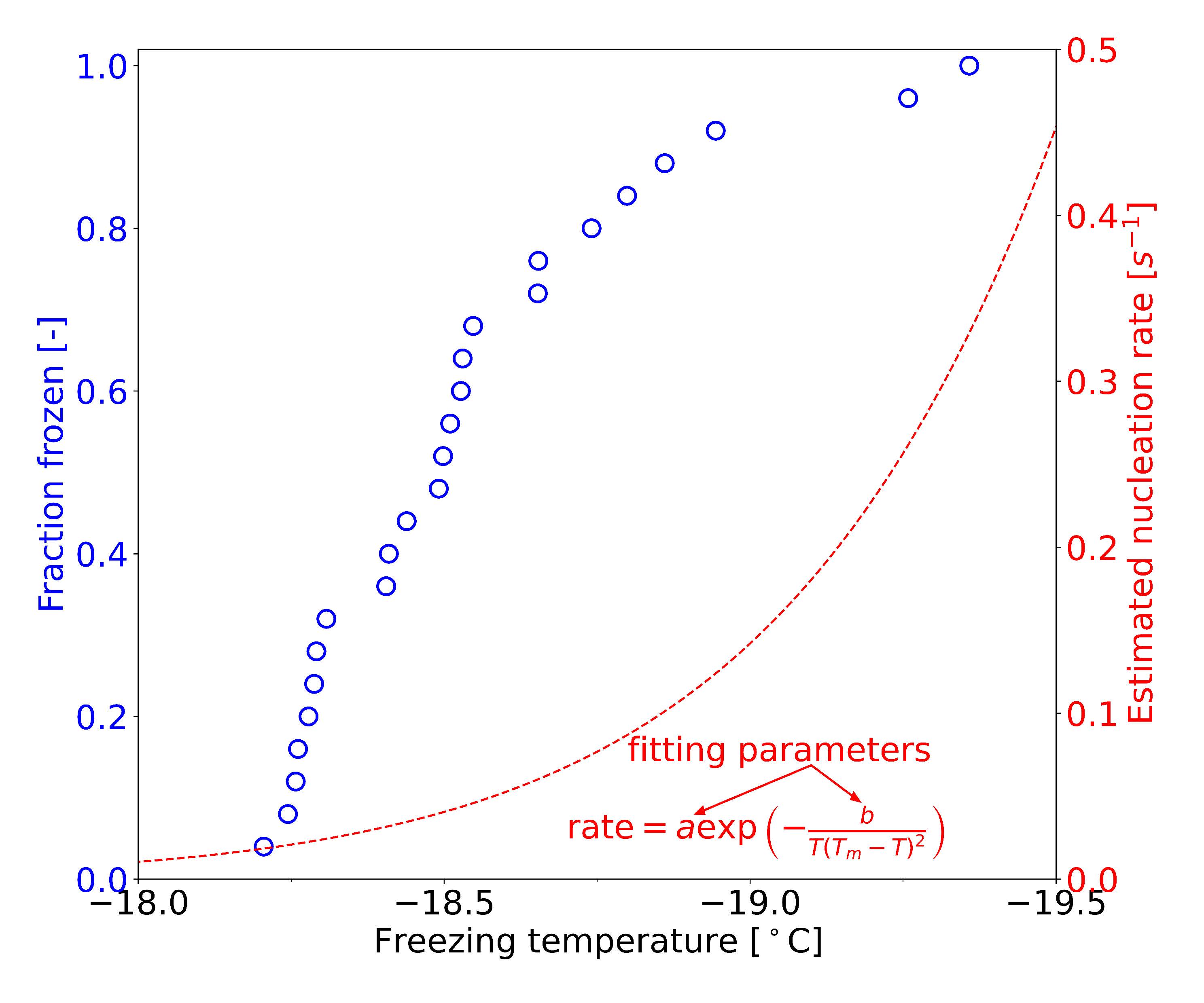
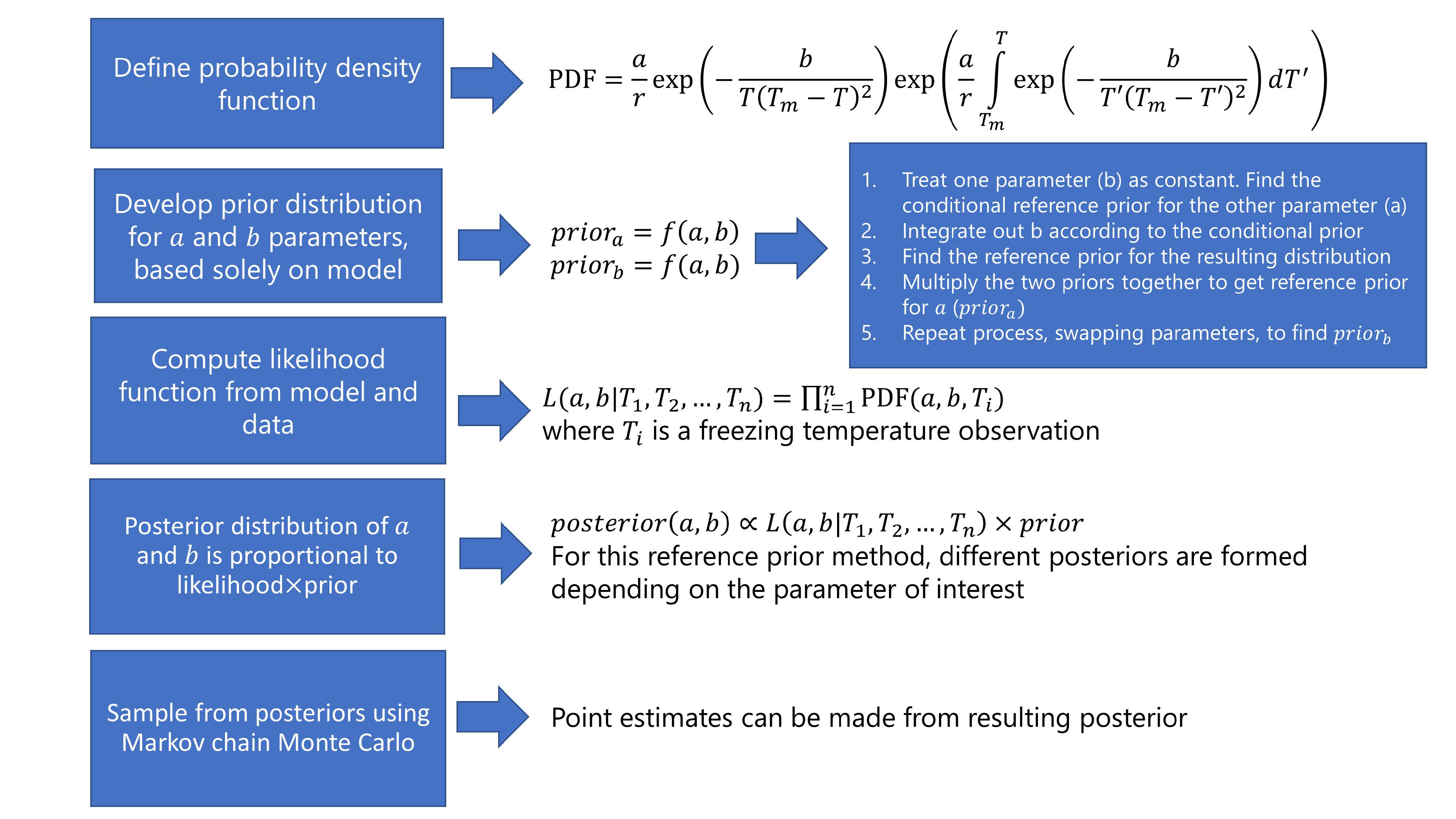
- Bayesian estimation is used to fit the nucleation rate model parameters to the data
- Reference priors, a type of objective prior, are used as the prior distributions for the parameters
- The posterior median is used as a point estimate for both parameters
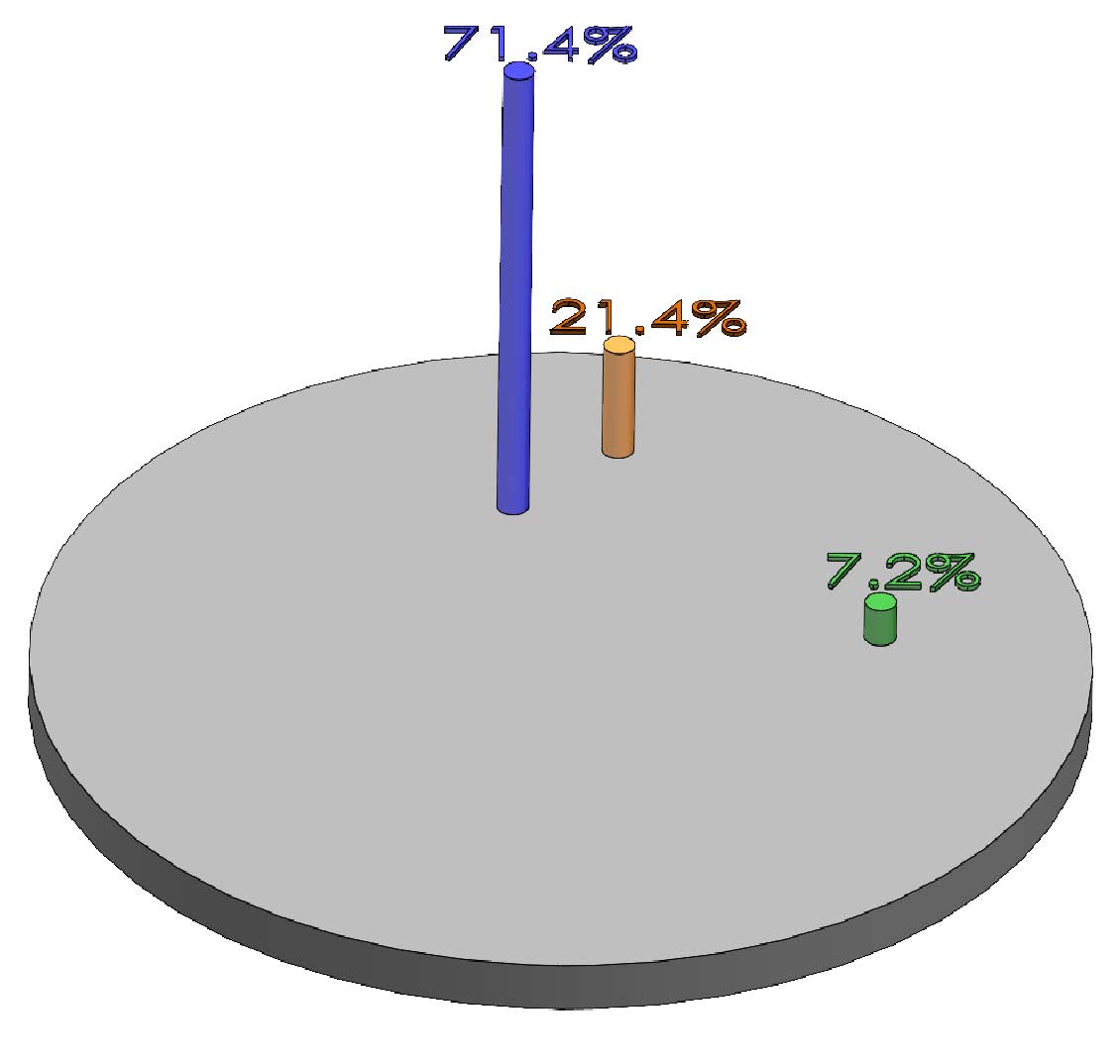
High speed imaging captured the sites where nucleation began
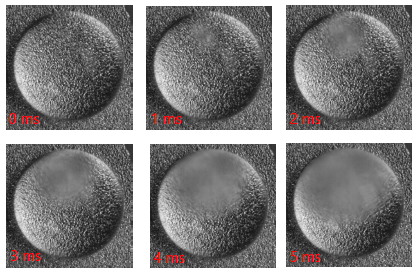
Active sites and their relative frequency of nucleation on liquid-solid contact area