
Parametric Modeling of Solid Oxide Electrolysis: Advancing Sustainable Hydrogen Production
Team: Manjur Basnet, Aiden Meek, Hailei Wang
Overview Objectives
- To develop a solid-oxide electrolysis stack model to integrate with Small Modular Reactors (SMR) and Haber-Bosch Plant.
- To develop a high-fidelity model capable of transient operations.
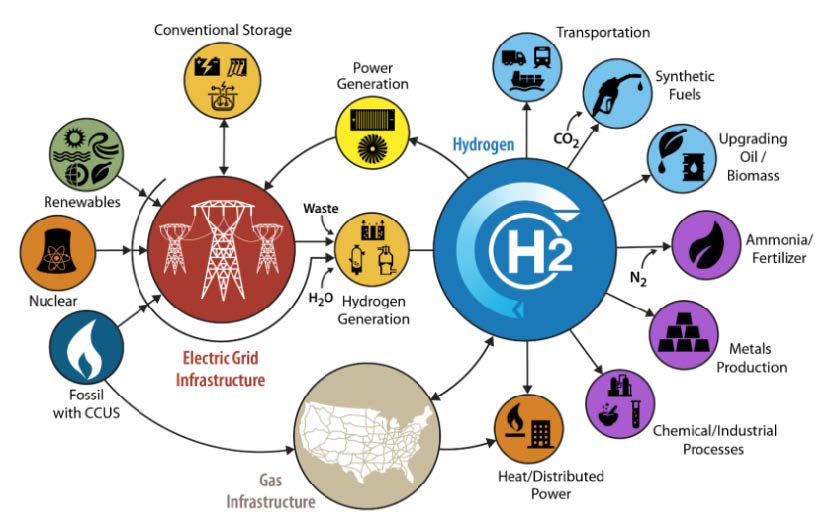
Motivation
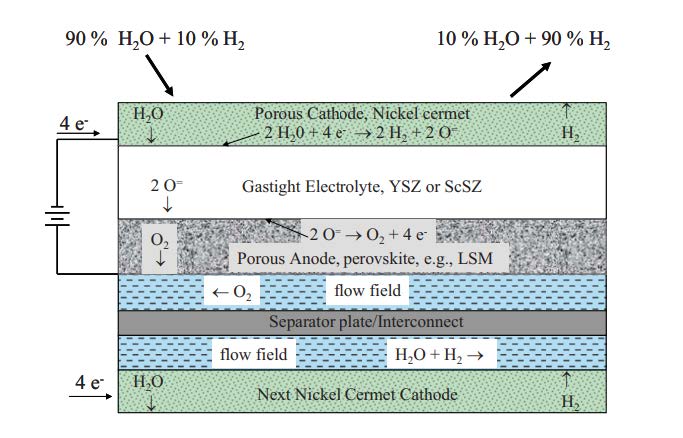
SOE stack
Hydrogen Hub
- A $8 billion funded program with contribution to decarbonization
- Vision of establishing 10 regional clean hydrogen hubs across the US
Hydrogen
- Clean energy carrier
- High energy-to-mass ratio
- Convenient integration with RES
- Wide applications (transportation, industry, etc)
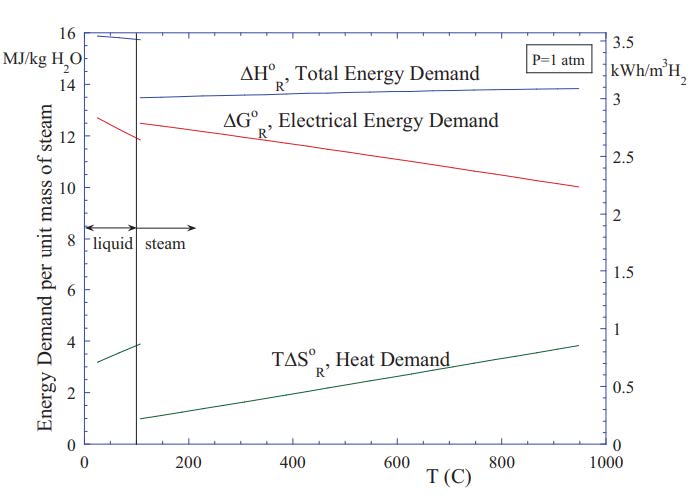
Advantages of HTE
- Reaction kinetics improves dramatically
- Electrolyte conductivity increases
- Electrical energy demand decreases and can be supplied in the form of heat (low-quality)
- Improved electrical efficiency as a result of external heat source
- Higher hydrogen purity without the need for additional purification steps
- Higher current densities at a given voltage
Characteristics
- Operating temperature : 750 - 1000 C
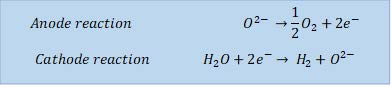
- Oxygen ion conducting electrolyte
- Cathode where steam is reduced to hydrogen
- Anode where oxide ions donate electrons to produce oxygen
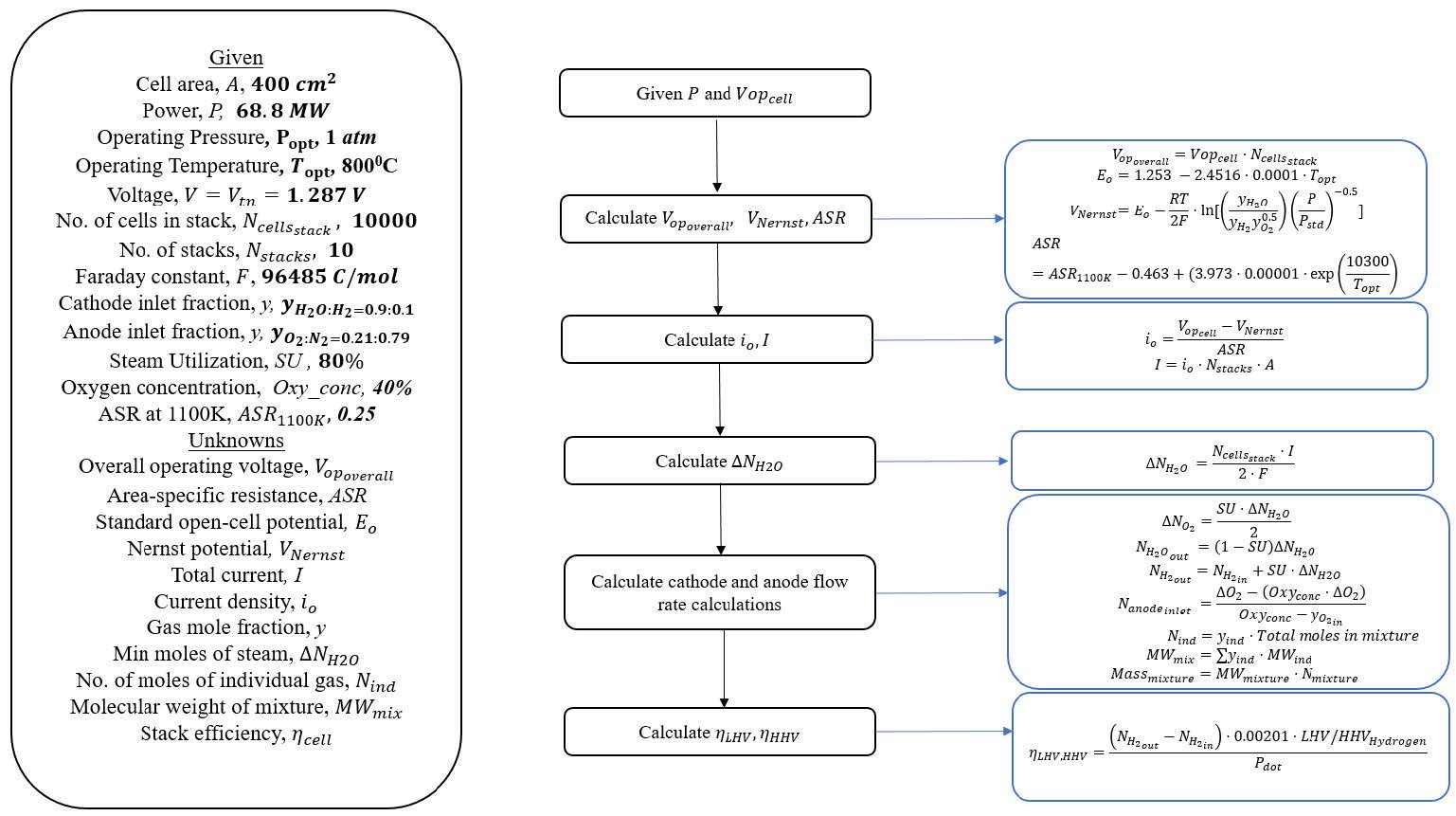
HTE Stack Model Flowchart
Results
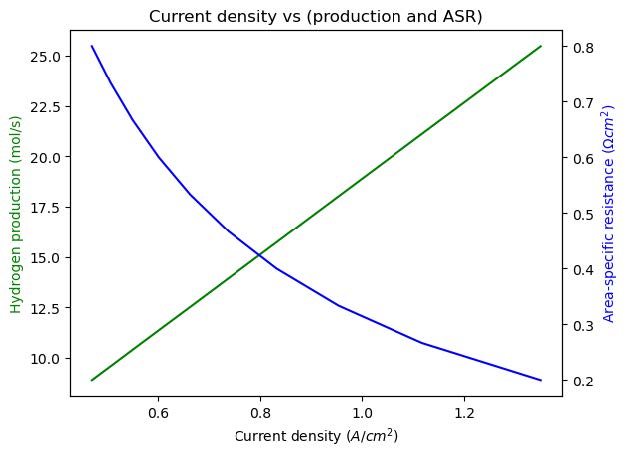
Conclusions and Future works
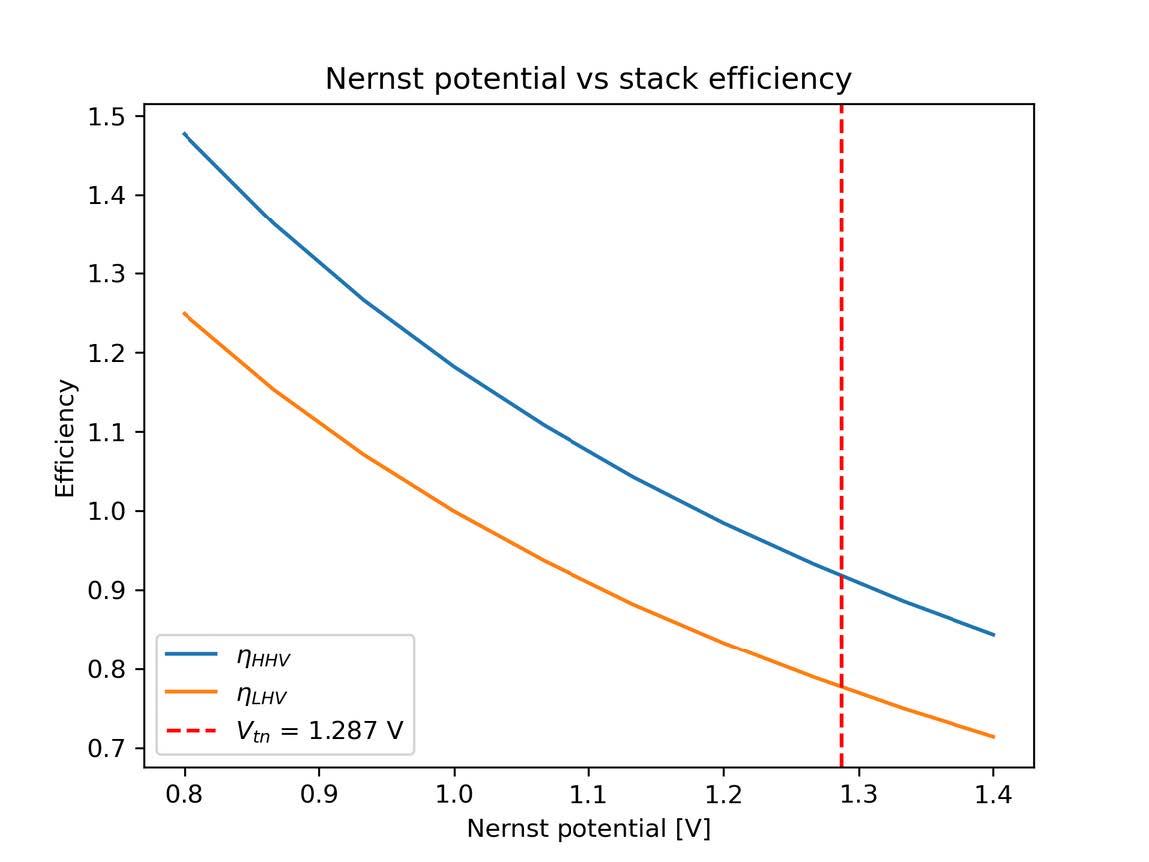
- Operation voltage has a significant impact on the system’s performance
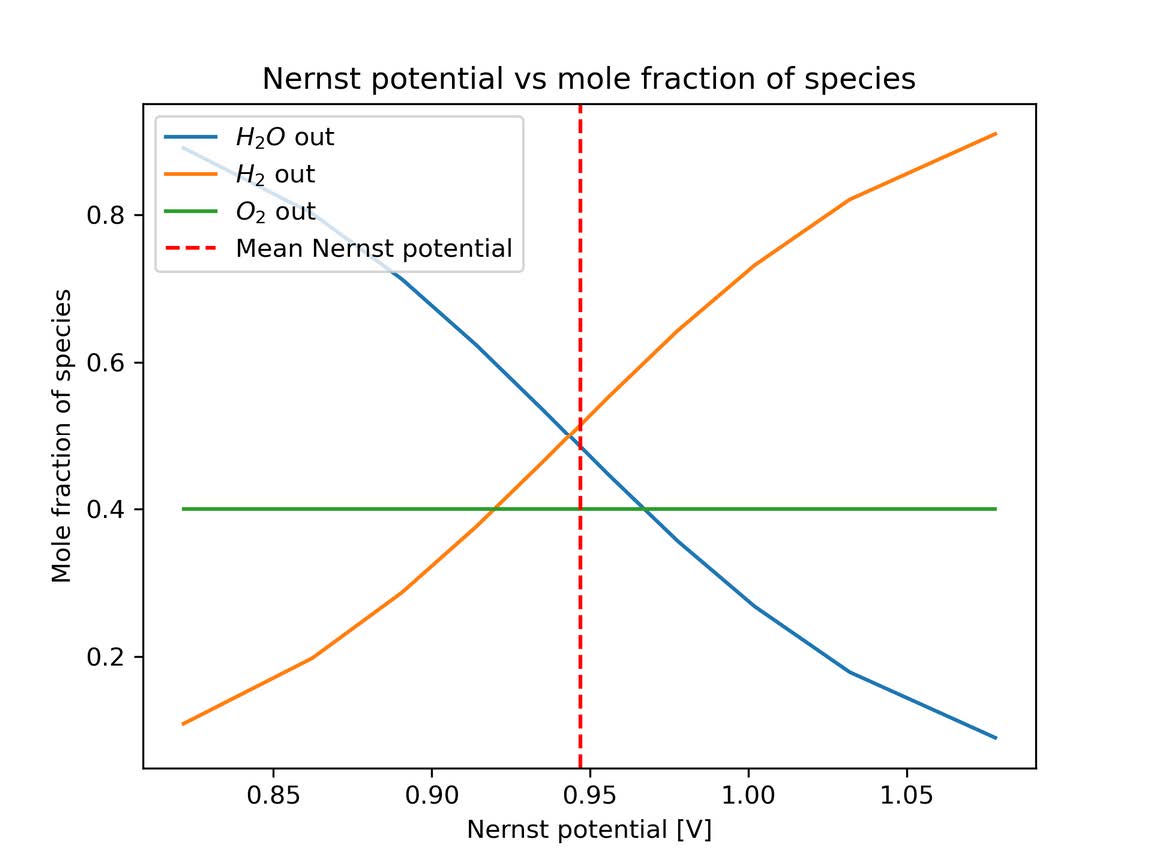
- Nernst potential changes along the stack as the concentration of the species changes
- High fidelity model will be developed to account for changing operating conditions
References
- Clark, K. (2022, 07 06). DOE releases details for $8 billion hydrogen hub program. Retrieved from POWERENGINEERING: https://www.power-eng.com/hydrogen/doe-releases-new-details-for-8-billion-hydrogen-hub-program/#gref
- J.E. O'Brien, C. J. (2010). High temperature electrolysis for hydrogen production from nuclear energy-technology . INL