
Biofertilizers
Overview
Biofertilizers offer a sustainable approach to improving soil health while reducing waste and protecting natural resources. At the Sustainable Waste-to-Bioproducts Engineering Center (SWBEC), researchers are developing technologies that recover valuable nutrients from municipal, agricultural, and industrial waste streams and transform them into renewable fertilizer products that support sustainable agriculture.
Instead of treating nutrient-rich wastewater and organic residuals as waste, SWBEC views them as valuable resources. Through innovative biological and engineering processes, nutrients such as nitrogen and phosphorus are recovered, recycled, and returned to agricultural systems, reducing environmental impacts while creating new opportunities for resource recovery.
By integrating wastewater treatment, algae cultivation, nutrient recovery, and environmental engineering, SWBEC is advancing practical solutions that improve water quality, strengthen agricultural systems, and support a sustainable circular bioeconomy.
Recovering Valuable Resources from Waste
Every day, wastewater treatment plants, agricultural operations, and food processing facilities generate nutrient-rich residuals containing nitrogen, phosphorus, and organic matter. If these nutrients are not recovered, they can contribute to water pollution, harmful algal blooms, and the loss of valuable natural resources.
SWBEC develops technologies that capture these nutrients before they enter the environment, converting them into products that support agricultural production instead of becoming waste. Recovering nutrients not only protects water quality but also reduces dependence on conventional fertilizer production and helps conserve limited natural resources.
This resource recovery approach transforms environmental challenges into valuable opportunities for sustainable agriculture.
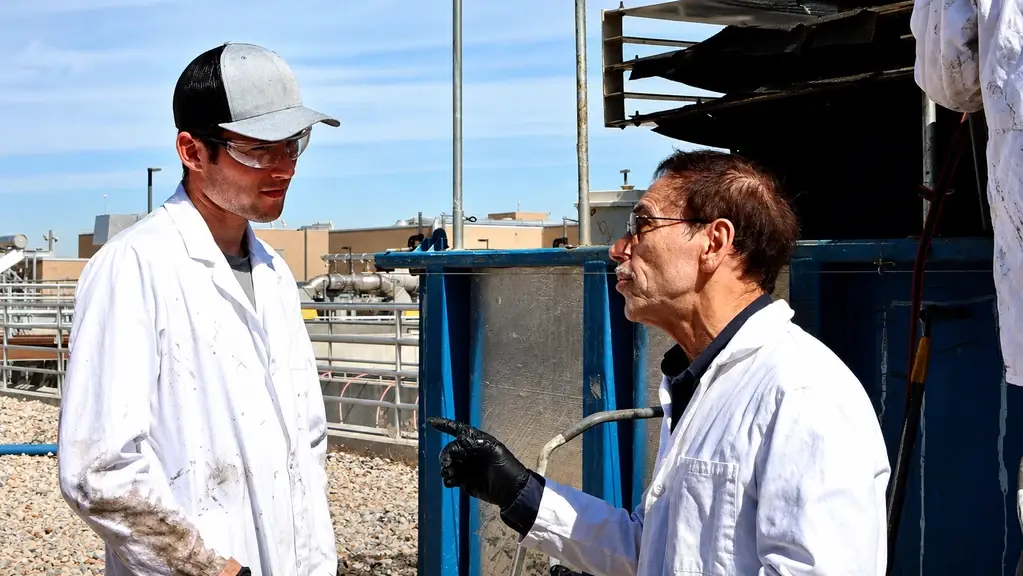
Caption: The Rotating Algae Biofilm Reactor (RABR) integrates wastewater treatment with resource recovery by producing algae biomass that can be utilized for biofertilizers, biofuels, and bioplastics while improving water quality.
Engineering Next-Generation Biofertilizers
SWBEC combines biological engineering, environmental engineering, microbiology, and wastewater treatment to develop innovative biofertilizers that recover nutrients through natural biological processes.
Researchers investigate algae, microbial communities, biological treatment systems, and engineered nutrient recovery technologies that capture valuable nutrients while producing renewable biological materials. These recovered resources can be processed into fertilizer products that improve soil fertility, support crop growth, and reduce reliance on synthetic fertilizers.
Current research includes algae-based fertilizers, recovered phosphorus products, biofilm-derived materials, wastewater-derived nutrient concentrates, and other sustainable agricultural amendments designed to improve nutrient recycling and environmental sustainability.
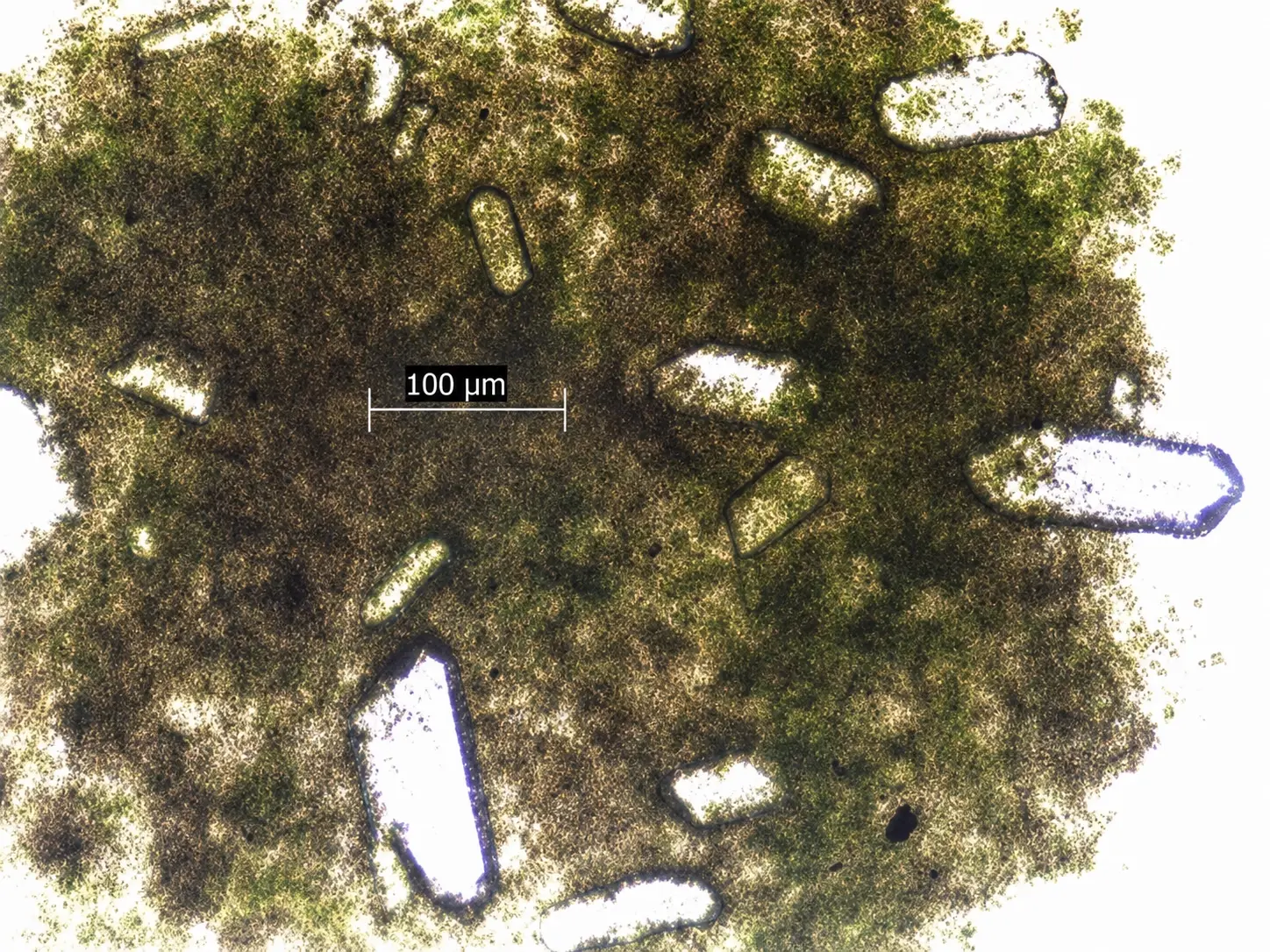
Caption: Struvite crystals formed within algae biofilms demonstrate the recovery of valuable nutrients that can be used for sustainable agricultural applications.
Rotating Algae Biofilm Reactor (RABR) Technology
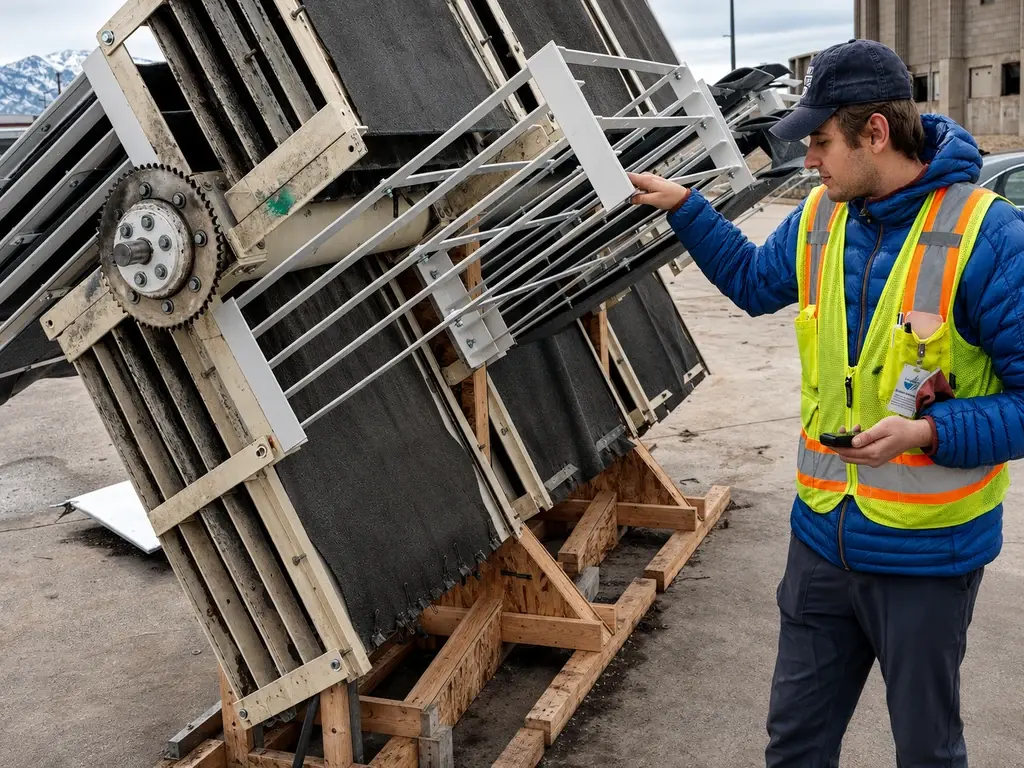
One of SWBEC's primary research platforms is the Rotating Algae Biofilm Reactor (RABR)—an innovative technology that simultaneously treats wastewater and produces valuable biomass.
As wastewater passes through the system, naturally occurring algae grow on rotating surfaces exposed to both wastewater and sunlight. The algae absorb excess nitrogen and phosphorus while improving water quality.
The harvested biomass can be evaluated as a renewable biofertilizer, biofuel feedstock, and bioplastic feedstock, demonstrating how a single biological platform can generate multiple valuable bioproducts.
Unlike conventional wastewater treatment processes that focus only on removing contaminants, RABR technology transforms wastewater nutrients into valuable biological resources while demonstrating how wastewater treatment can become an important source of renewable biomass for multiple applications.
Ongoing research continues to evaluate how algae-derived biofertilizers influence soil health, nutrient availability, microbial communities, and long-term agricultural productivity, as well as the quality and quantity of biofuels and bioplastics.
Caption: The 3,000-gallon pilot-scale Rotating Algae Biofilm Reactor (RABR) demonstrates SWBEC's innovative technology for producing biofertilizers, biofuels, and bioplastics while improving wastewater treatment.
Recovering Phosphorus for Sustainable Agriculture
Phosphorus is one of the most important nutrients for crop production, yet global supplies depend largely on finite phosphate rock reserves. Recovering phosphorus from wastewater creates an opportunity to reduce dependence on nonrenewable resources while protecting rivers and lakes from nutrient pollution.
SWBEC investigates advanced nutrient recovery technologies that capture phosphorus before it leaves wastewater treatment systems. Researchers also study the production of struvite, a slow-release fertilizer that recovers phosphorus and nitrogen from wastewater and converts them into valuable agricultural products.
These technologies improve water quality while creating renewable fertilizer products that contribute to long-term food security and sustainable resource management.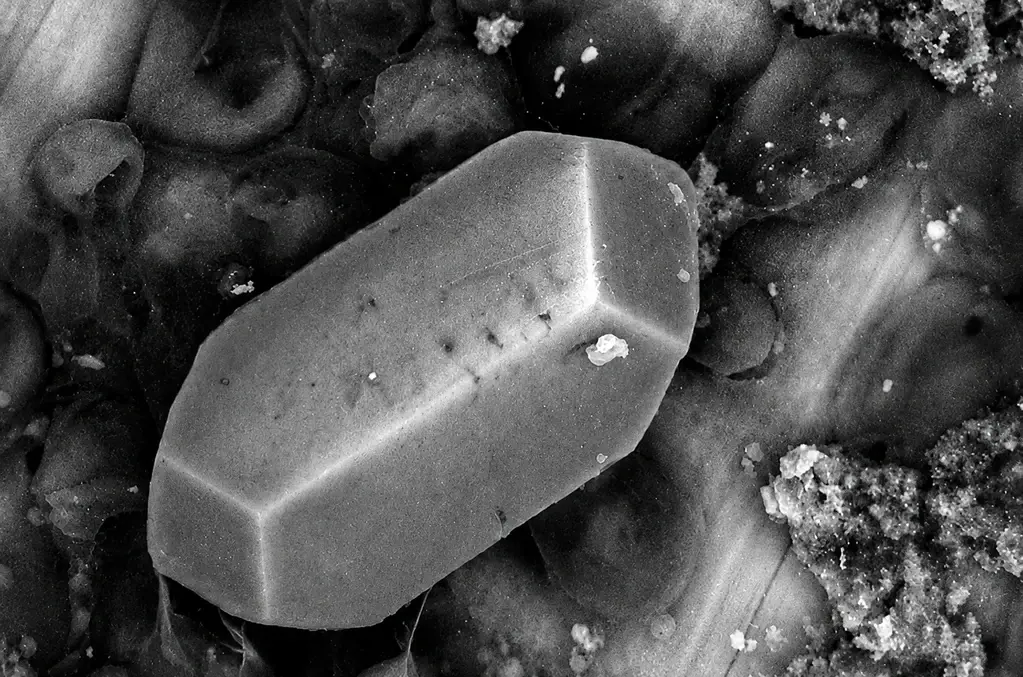
Caption: Recovered struvite provides a renewable source of phosphorus for sustainable agriculture.
Benefits for Agriculture and the Environment
Biofertilizers developed through SWBEC research provide benefits that extend beyond nutrient recycling.
By recovering nutrients that would otherwise become pollutants, these technologies help reduce nutrient runoff, improve water quality, conserve natural resources, and decrease the environmental footprint associated with conventional fertilizer production.
At the same time, biofertilizers have the potential to improve soil health by increasing organic matter, supporting beneficial microbial communities, improving nutrient availability, and promoting long-term soil productivity. These biological approaches contribute to more resilient agricultural systems while reducing dependence on nonrenewable fertilizer resources.
From Research to Real-World Solutions
SWBEC works closely with municipalities, wastewater utilities, agricultural producers, industry partners, and academic collaborators to develop technologies that address real-world environmental and agricultural challenges.
Research progresses from laboratory investigations to pilot-scale demonstrations where scientists evaluate technical performance, environmental benefits, and economic feasibility under practical operating conditions. This integrated approach helps accelerate technology development while supporting future commercialization and technology transfer.
Undergraduate and graduate students play an active role throughout this process by designing experiments, operating pilot-scale systems, analyzing data, and helping develop innovative resource recovery technologies that support sustainable agriculture.
Caption: Students conduct hands-on research at the Algae Processing and Products (APP) Facility, where pilot-scale technologies are developed and evaluated for sustainable nutrient recovery and biofertilizer production.
Advancing a Circular Bioeconomy
Biofertilizer research is part of SWBEC's broader mission to transform waste streams into valuable bioproducts through interdisciplinary engineering innovation.
By recovering nutrients that would otherwise be lost, SWBEC is helping communities reduce waste, improve water quality, strengthen agricultural systems, and create new opportunities for sustainable resource recovery. Through partnerships with industry, municipalities, government agencies, and academic institutions, the center continues to develop practical technologies that support environmental stewardship, resilient food systems, and a sustainable circular bioeconomy.
Current Research Areas
- Algae-based biofertilizers
- Rotating Algae Biofilm Reactor (RABR) systems
- Nutrient recovery from municipal and industrial wastewater
- Nitrogen and phosphorus recycling
- Phosphorus recovery and struvite production
- Wastewater-derived agricultural amendments
- Agricultural reuse of recovered biomass
- Soil health and nutrient cycling
- Sustainable wastewater treatment
- Resource recovery technologies
- Pilot-scale technology development
- Circular bioeconomy systems
- Water quality improvement
- Technology transfer and commercialization