
Smart Sleep Bracelet
Team: Allison Hathaway
Project
- Each morning, millions of people struggle with the effects of sleep inertia, a condition that causes grogginess and reduced cognitive performance upon waking.
- Sleep inertia not only reduces morning productivity but can also have broader implications on mental health, physical well-being, and overall daily performance.
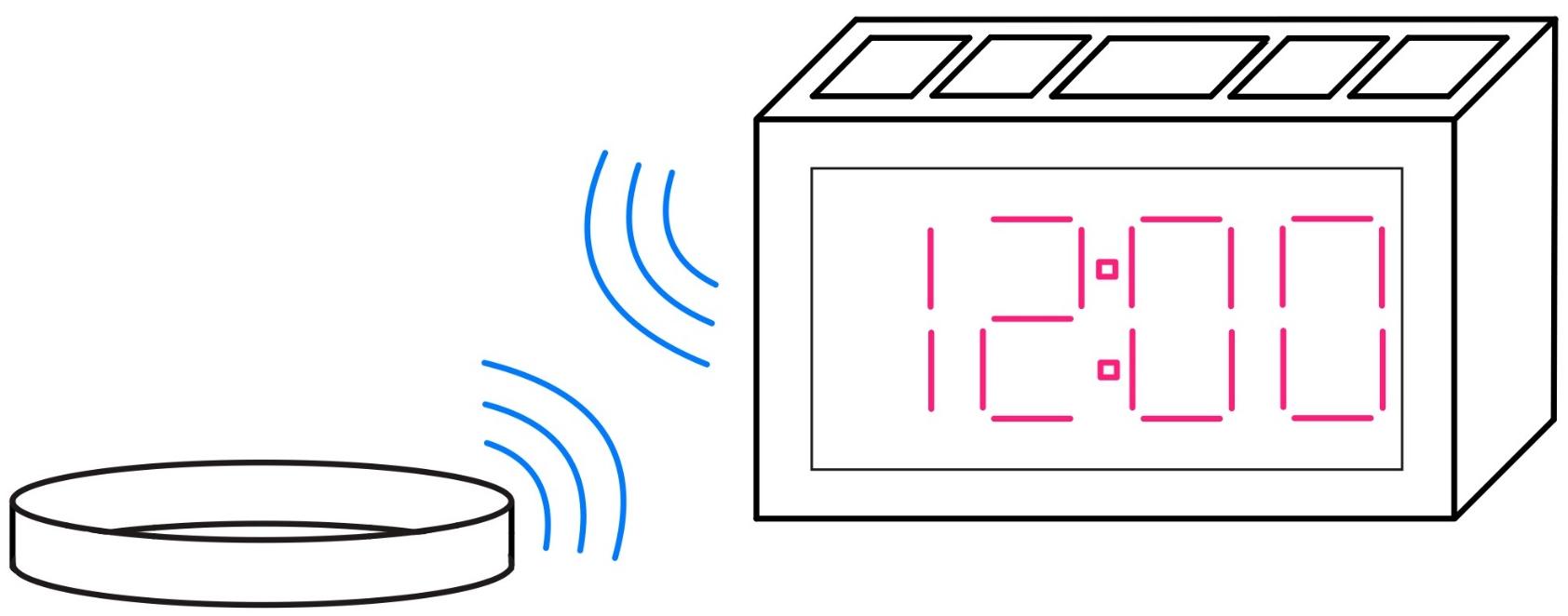
- The Smart Sleep Bracelet proposes the development of a smart bracelet and alarm clock system to minimize sleep inertia by waking users during their lightest sleep stage.
System

Methods
- The Smart Sleep Bracelet uses a microcontroller and heartrate sensor to monitor physiological signals, which are used to determine the optimal wake time for the user.
- The bracelet and alarm clock communicate via Bluetooth Low Energy. A small vibrating motor in the bracelet provides a gentle wake-up method, while the alarm clock offers an optional audible alarm for users who prefer additional stimulation.
- The software development of this project follows the SEI CERT coding standard. This standard requires secure coding practices, reviews, and security training are included throughout software development.
Conclusion
- From this project, I learned a lot about sleep science and how we can use modern technology to improve sleep.
- I also learned about the vast versatility of microcontrollers and how easily accessible the ESP32 microcontroller is to work with as a beginner.
- I would like to continue improving this project by adding more sensors to further solidify the sleep science algorithm.