
BookTech RFID Scanner
Team: Joe Pollock, Isabel Smith
Project
Library RFID scanners currently available are bulky, have a poor user interface and limited functionality. We aimed to design an RFID Scanner that is aesthetically appealing and intuitive to use.
The library book scanning experience is cumbersome, slowing down operations, and frustrating patrons. Our RFID Scanner will streamline the process, make scanning more enjoyable, and provide item status in real-time.
System
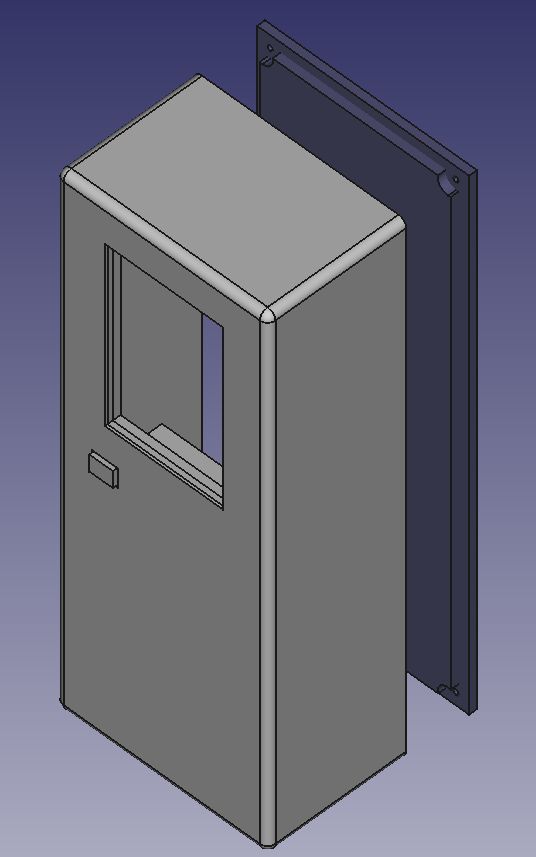
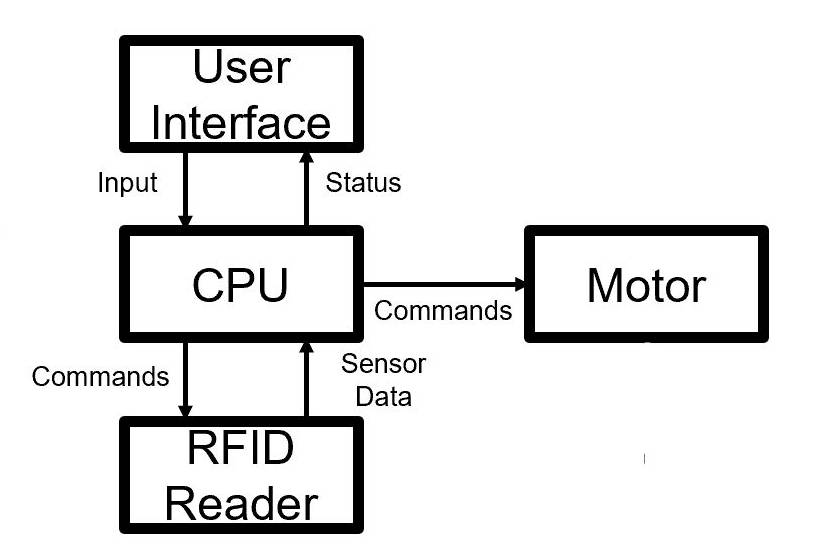
Microcontroller: Arduino UNO
Touch Screen: 2.8” TFT LCD
RFID Reader: 13.56 MHz DLP-RFID2 Reader
Antennas: Loop antenna
Methods
First we defined the requirements for this project, then researched the related components and existing specifications. We then developed appropriate specifications for the project and procured the components needed for the system.
Prototypes were then developed and their functionality tested. Individual components such as the screen and RFID reader were first tested separately to ensure their functionality before being compiled into a single prototype.
Feedback from tests informed us on which steps to take next to develop further prototypes or even re-evaluate the components individually again.
Conclusion
We developed an RFID Scanner that is more compact, intuitive, and integrated than existing solutions. It provides a streamlined scanning experience, real-time updates, and enhanced visibility into operations.
The RFID Scanner achieved all objectives, such as being more intuitive and compact in comparison to existing solutions. Other objectives were also achieved but could be improve upon with more time, such as how the scanner integrates with libraries’ Inter-Library Systems.
This project strengthened our engineering skills, developed a useful product, and created an opportunity to contribute to improving library operations for the benefit of the community. We appreciate the chance to work on this meaningful project