
Farr West Pedestrian Underpass
Team: Dex Dalton, Jackson Hall, Samuel Torgersen-Gonzalez and Hunter Webre
Overview
The purpose of this project is to design a crossing for pedestrians and other users to safely cross 2700 N in Farr West, Utah. The pedestrian underpass will cross underneath 2700 N near Farr West Elementary on the Wahlquist Junior High and Meadows Park properties.
The grade-separated underpass will improve safety and traffic flow, especially during school arrival and dismissal. The structure will have ramps and stairs providing access from the street-level sidewalk to the underpass. The underpass is designed to connect with the planned Willard Canal Corridor Trail System.

Figure 1. Project Location (2700 N)
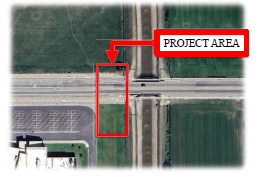
Figure 2. Project Site
Alternatives
We considered four alternatives: an overpass, an underpass, an at-grade crossing, and a “do nothing” option.
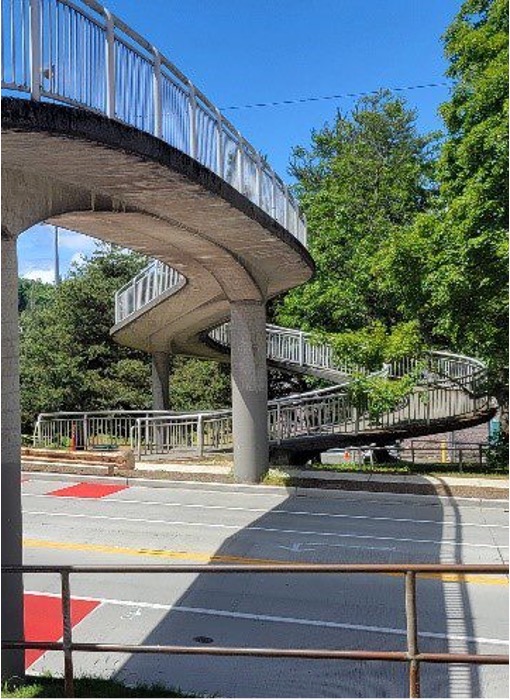
Overpass Pedestrians must use ramps to climb and cross over the roadway. Less bicycle friendly.
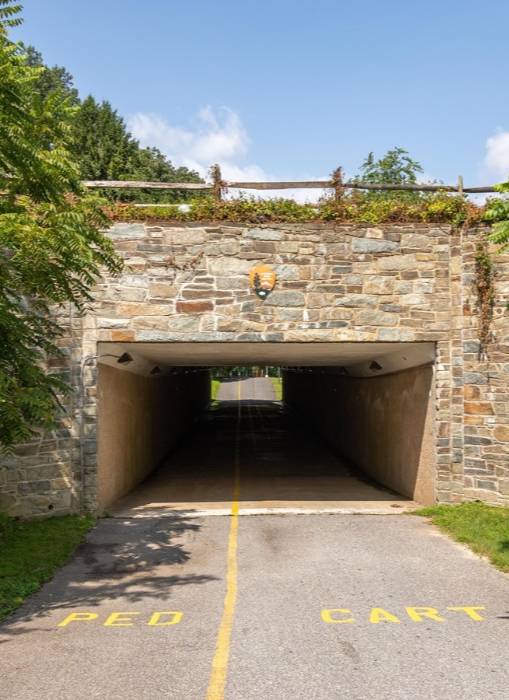
Underpass Pedestrians must use ramps to descend and cross under the roadway.

At-Grade Crossing HAWK crossing shown above. Improves safety but not traffic flow.
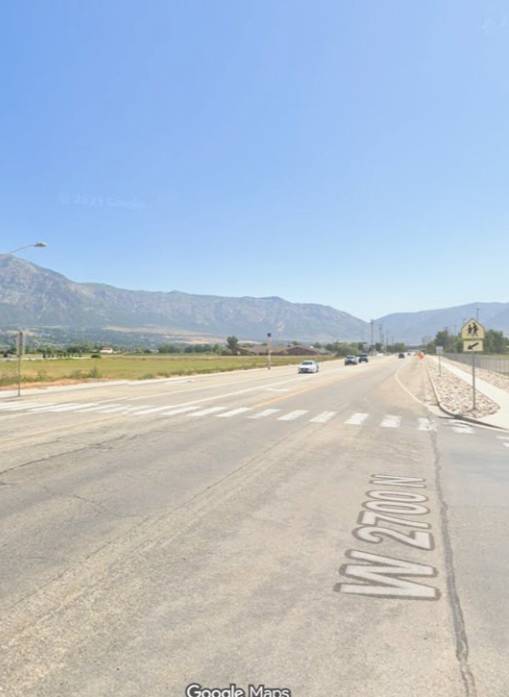
Do Nothing Pedestrians must use the existing crosswalk to the west of the project area.
Selection Criteria
Accessibility
The crossing must be usable by every demographic and comply with ADA, PROWAG, and other relevant guidelines.
Pedestrian Traffic Flow
The crossing must improve the flow of pedestrians crossing 2700 N, especially during school arrival and dismissal.
Vehicle Traffic Flow
The crossing must reduce vehicle delay. The existing crosswalk causes congestion along 2700 N.
Overall Cost
The design must consider construction costs, as well as maintenance costs for the lifespan of the structure.
Environmental Impacts
The construction and maintenance of the crossing must preserve the integrity of the flora, fauna, and canal.
Impacts on Property
The crossing must tie in to the park, future trail, and not impact the existing school infrastructure.
Safety
The crossing must remove conflict points and reduce opportunities for collisions.
Comfort
The crossing must feel comfortable for pedestrians, bicyclists, and vehicles.
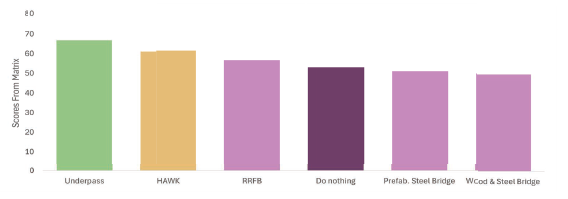
After evaluating the alternatives using a decision matrix, we found the underpass to be the best solution.
Chosen Alternatives
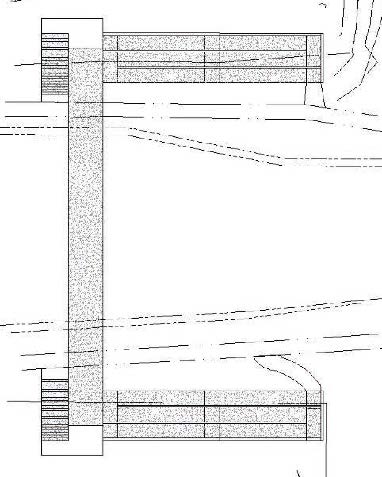
The box culvert structure will fit underneath the road with little impact on utilities. The ramps and stairs will tie into existing sidewalks. New gravel and grass will be matched to existing, and fences and railing will be painted black to ensure that the underpass is aesthetically pleasing.

Using a pre-cast box culvert allows for faster construction and reduces concerns related to formwork or material quality. It also reduces labor needs and cost.

The retaining walls are designed for the soil bearing pressure. They reduce the structure’s footprint by removing the need to slope the soil over a large distance.
Final Design
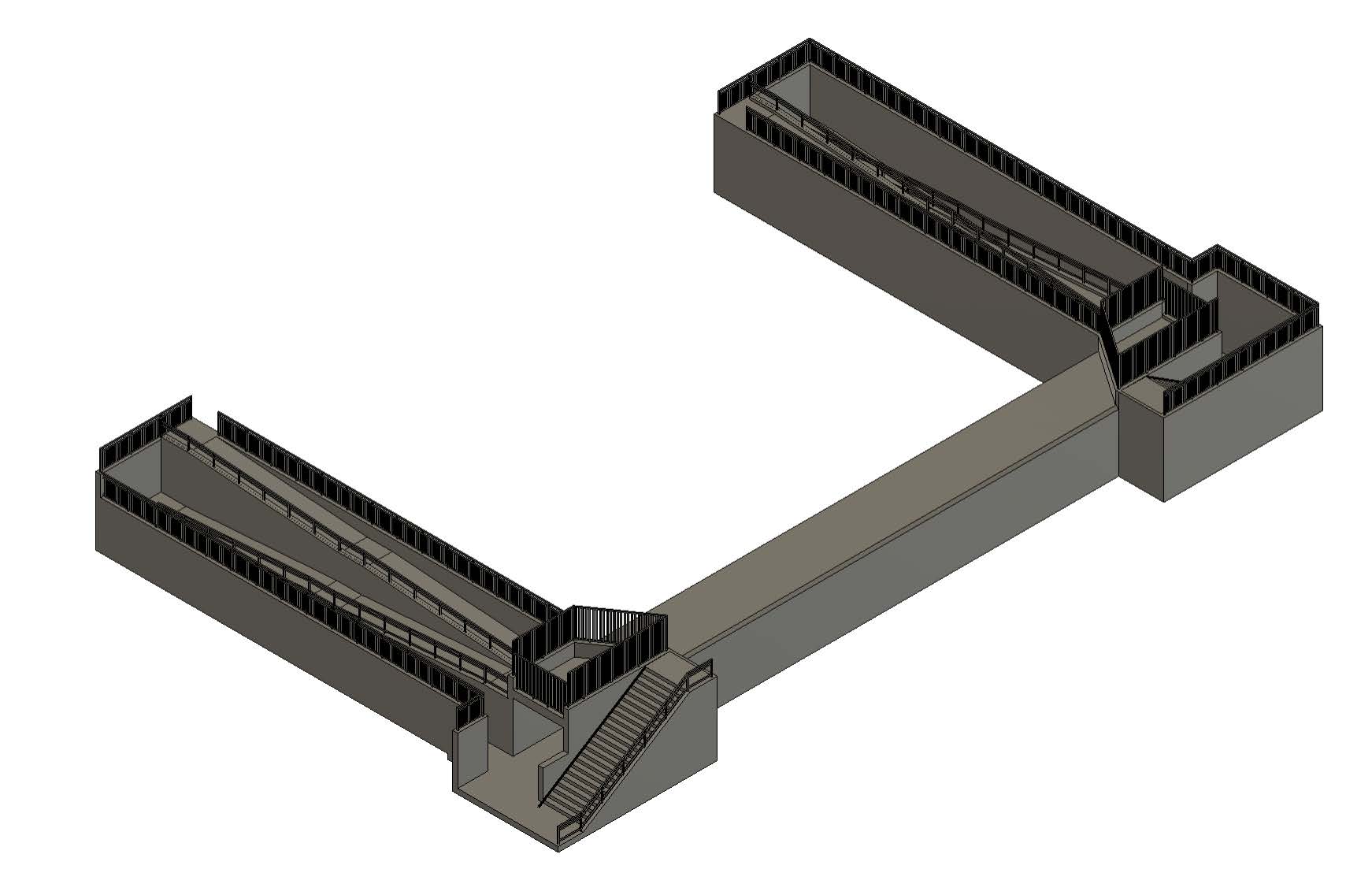
Based on our alternative analysis, a pedestrian underpass was selected as the best design. This solution directly addresses the safety and mobility issues along 2700 N by eliminating pedestrian and vehicle conflicts, providing a safer crossing for all users.
The underpass was designed to meet Utah Department of Transportation requirements, including a 75-year design life. In addition, the design allows for future connections to Meadows Park and Willard Canal Trail, supporting long-term community connectivity.
Acknowledgements
- Dr. Patrick Singleton (Utah State University)
- Matt Robertson, PE (Jones & Associates)
- Tom Torgersen (Cache Valley Electric)
- Chad Kitchen (Contech Engineered Solutions)
- Farr West City Officials and Staff
- Professor Austin Ball (Utah State University)
Team Contact Information
- Hunter Webre — a02339069@usu.edu
- Dex Dalton — dex.dalton@usu.edu
- Jackson Hall — jackson.hall@usu.edu
- Samuel Torgersen-Gonzalez — s.torgersen-gonzalez@usu.edu