
Creating Biohydrogen From Fruit Byproducts Using Microbial Electrolysis Cells
Team: Doug Harper, Isaac Smart and Seth Wilkinson
I. Abstract
- Goal: Can we create an anaerobic digestion system to produce biohydrogen from fruit production byproducts?
II. Background
- Frulact wants to comply with clean standards, and a current project is treating the wastewater to reduce nitrogen and phosphorus, as well as BOD.
- If Frulact is able toviably produce biohydrogen,they will have more optionsto treat their liquid waste.
III. Methods
- We are using a mixed bacterial culture, with 70-90% ofthe community being Geobacter spp., our electroactive bacteria.

IV.Results
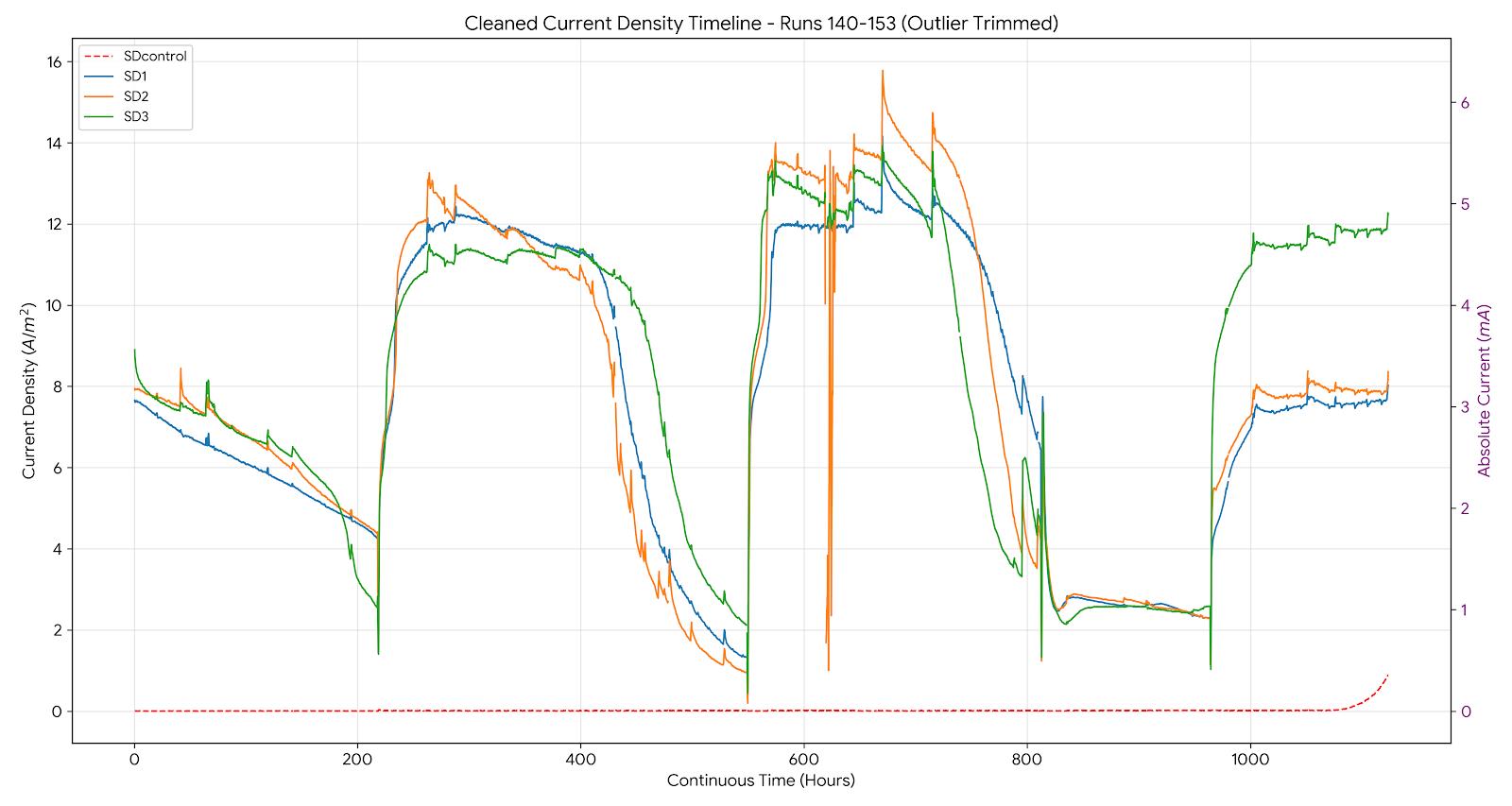
Figure 2. Conductance values measured over time
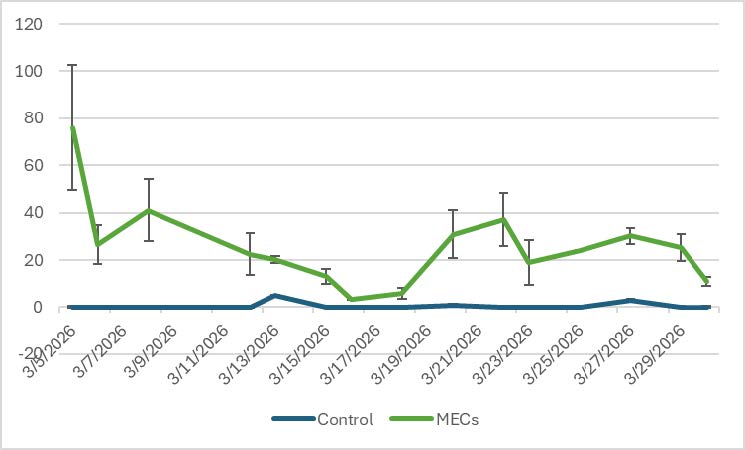
Figure 3. Hydrogen gas production with error bars of one standard deviation.
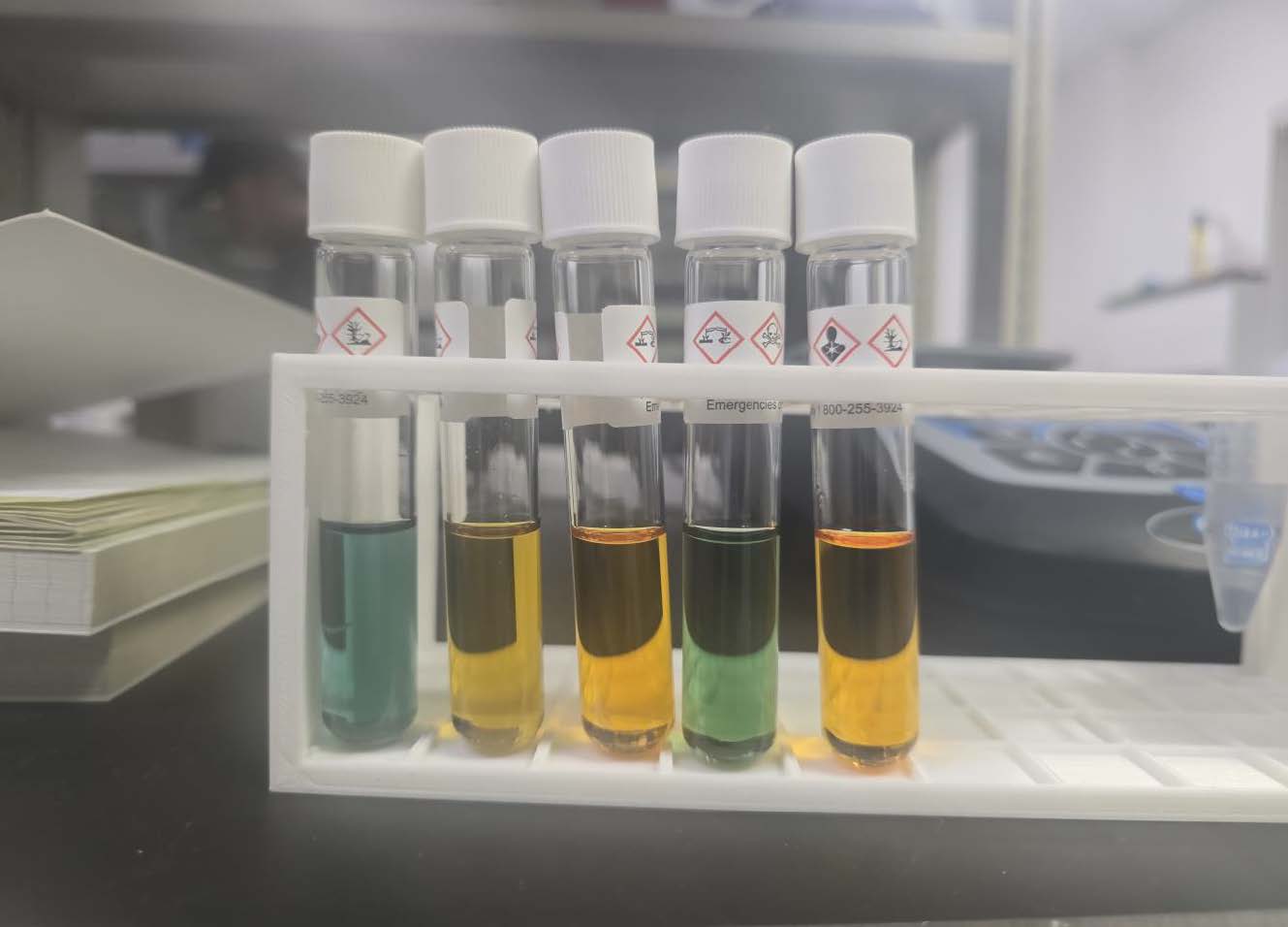
| Sample | Absorbance | COD |
|---|---|---|
| Synthetic Wastewater | 0.616 | 1414 |
| Frulact Wastewater | 0.679 | 1559 |
| 10x Dilution | 0.141 | 321 |
| 100x Dilution | 0.017 | 36 |
Figure 4: COD Vials (left) and their measured absorbance values (right)
V. Future Research
- Scale Up & Global Expansion: Scale up our anaerobic digester from bench-scale to industrial use at Frulact's Logan Plant, with expansion to Morocco and South Africa. The goal is to create a global model for converting fruit byproducts into renewable energy.
- Optimize & Validate Impact: Enhance system performance with cable bacteria to boost biohydrogen yield and stability. Use economic analysis to guide cost-effective practices. Reduce landfill use.
- Test Different Bacterial Strains: Geobacter ssp. Is not the only electroactive bacterial strain out there. Other strains could be more optimal for treating fruit waste, and this could be an area of focus in the future.
VI. References
[1]https://www.sciencedirect.com/science/article/pii/S0960852420315881#f0035
VII. Acknowledgements
- Dietr
- Frulact – Jared Maughan, Marco Correia, Mariana Marques
- Dr. Luguang Wang
- Dr. Ronald Sims