
Using Microalgae Hydrolysates as an Alternative to DMEM and FBS in Cellular Agriculture
Team: Yomar Arnold, Elizabeth Walker, Britton Porter, Melanie Mills, Elise Barton
Sponsor: Upside Foods
Introduction
Cellular Agriculture is:
- A new and quickly growing field in biological engineering
- Attempting to reduce the need for and supplement current animal agricultural practices
- Seeking an economical, serum-free cell growth media
- Cellular Agriculture uses less energy, water, land, and produces fewer greenhouse gas emissions than traditional animal agricultural practices
- Current culture media is too expensive for feasible scale up
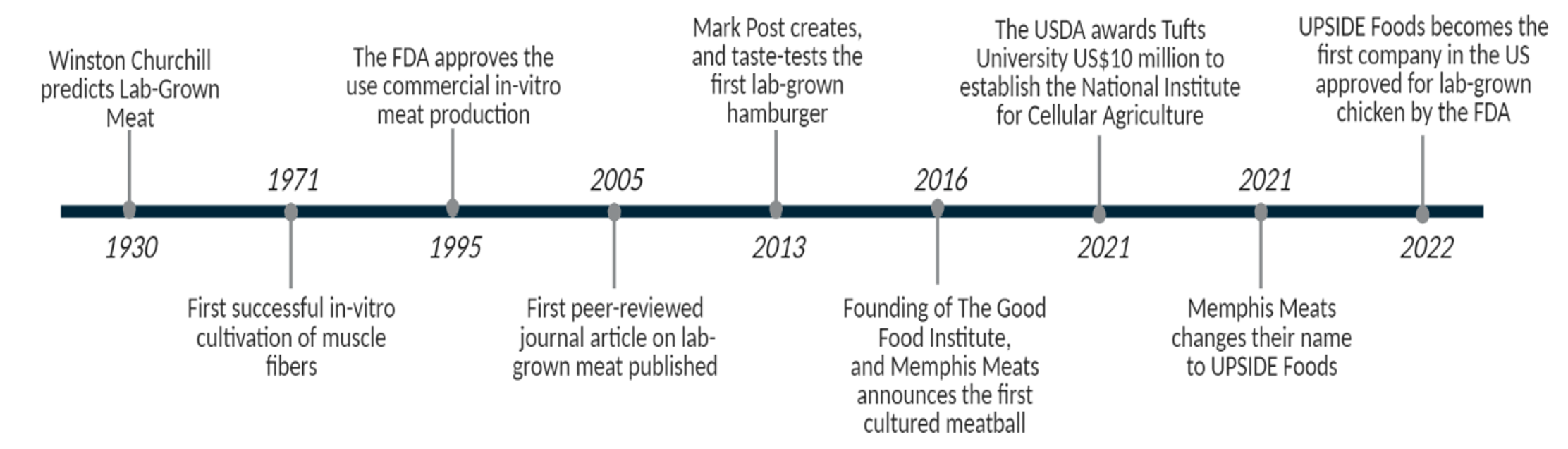
Figure 1. Timeline of Cellular Agriculture in the United States
Objectives
- Reduce the cost of cell culture media by 20%
- Utilize both common and uncommon feedstocks for media:
- Chlorella vulgaris, Arthrospira platensisboiled extracts
- Wheat, Peptone, Soy, and Yeast hydrolysates
- Maintain cell growth and morphology
- Optimize ratios of extracts and hydrolysates to result in the best cellular yields
- Adhere to the Generally Recognized as Safe (GRAS) guidelines for hydrolysate feedstock selections
Background
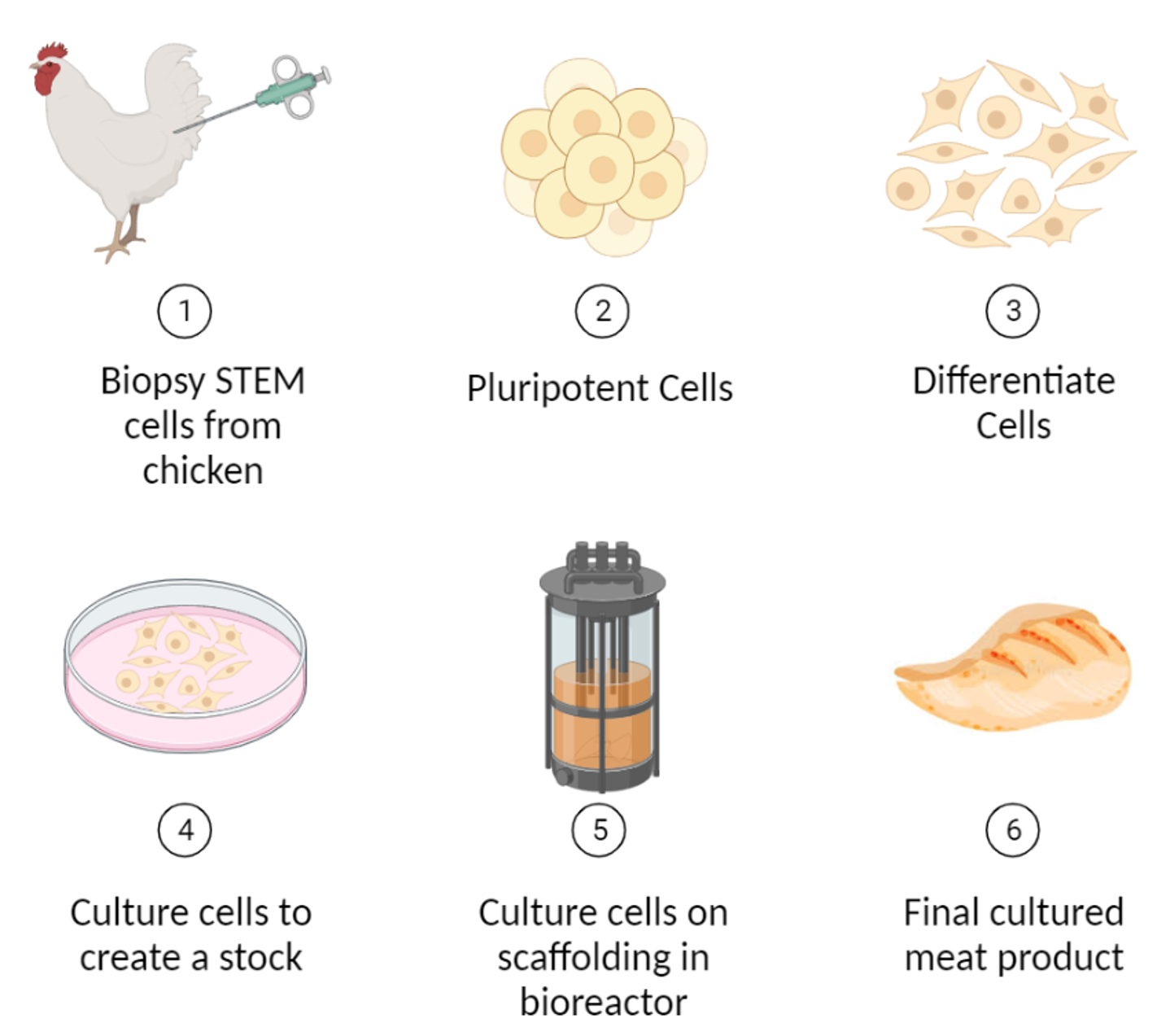
Figure 2. The basic cellular agriculture process
Methods
Algal Extracts

Figure 3. Method of creating algal extracts
Hydrolysates
All other hydrolysates used were either purchased premixed, or were mixed to a 10% solids slurry w/w and were sterilized by syringe filtration
Cell Culture
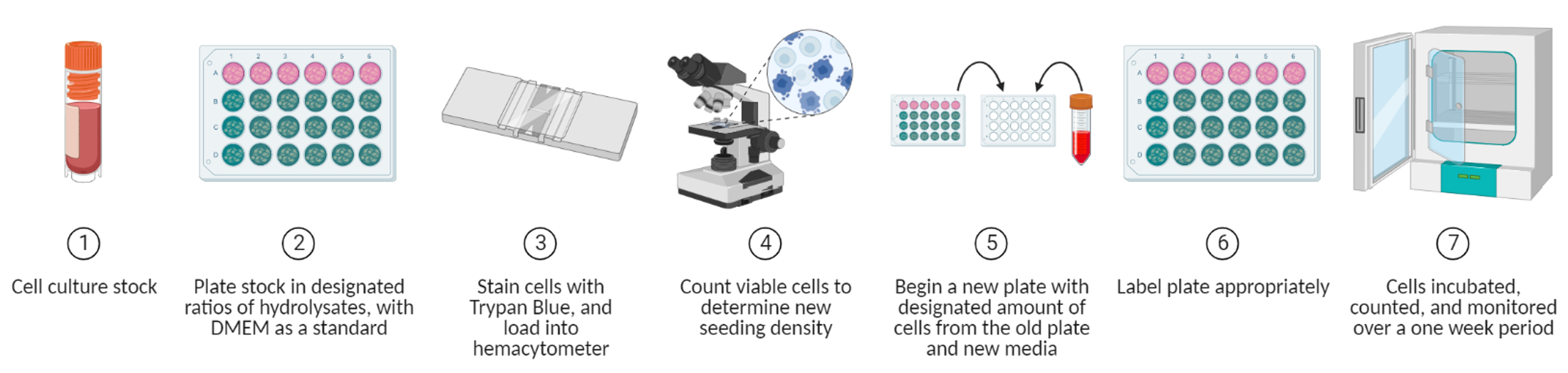
Figure 4. Cell culture and passaging technique
Results
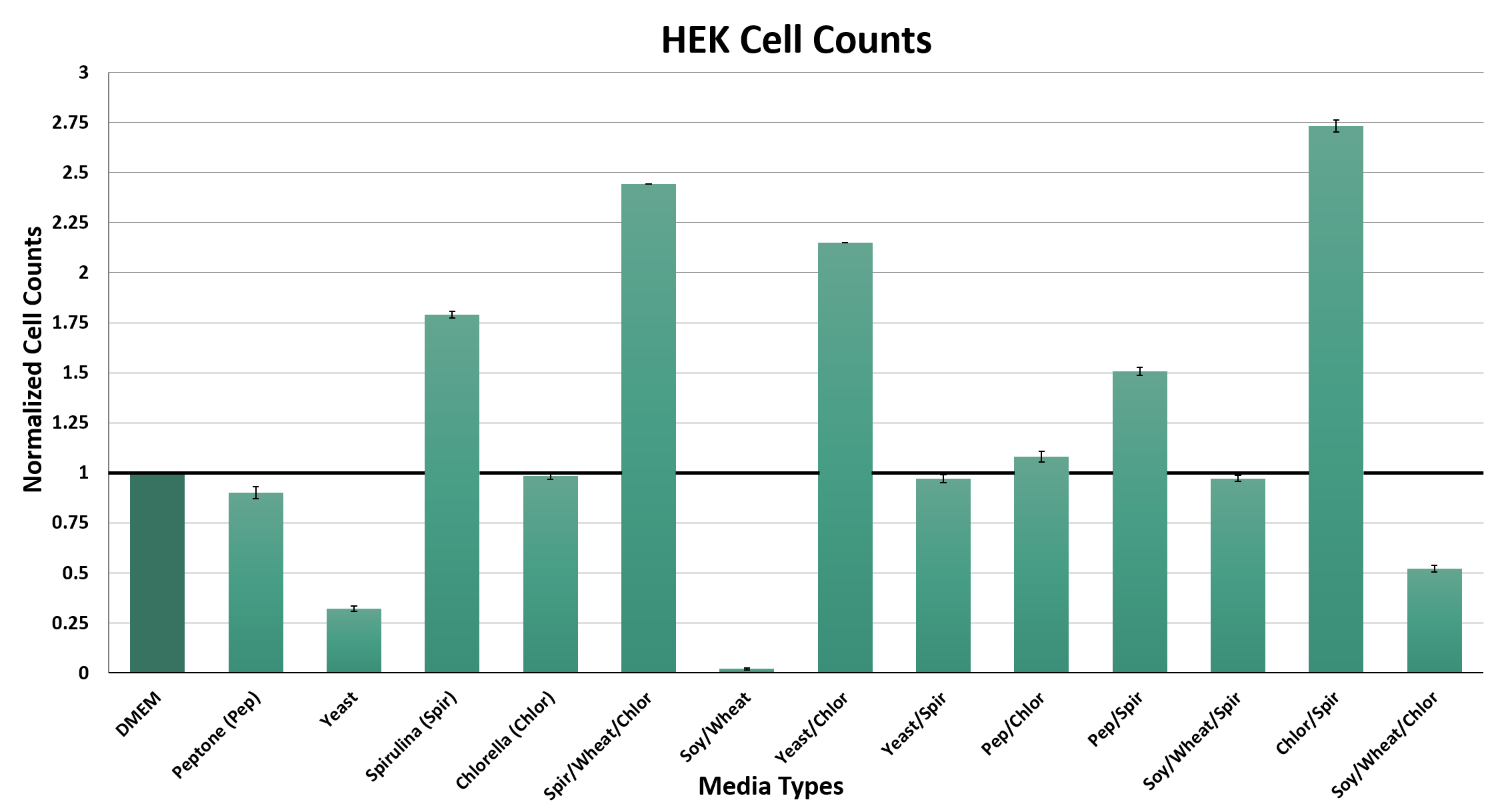
Figure 6. Average cell counts normalized to cells grown in DMEM, 95% CI
| Media | Cost w/o FBS (USD) | Cost w/ FBS (USD) | Percent Cost Was Reduced w/ FBS |
|---|---|---|---|
| DMEM (10% FBS) | 1,340,000 | 5,140,000 | 0.00 |
| Peptone | 23,600 | 811,000 | 84.22 |
| Yeast | 56,200 | 850,000 | 83.46 |
| Spirulina | 7,500 | 800,000 | 84.44 |
| Chlorella | 13,000 | 801,000 | 84.42 |
| Spir/Wheat/Chlor | 30,000 | 820,000 | 84.05 |
| Soy/Wheat | 3,900,000 | 4,600,000 | 10.51 |
| Yeast/Chlor | 35,000 | 822,000 | 84.01 |
| Yeast/Spir | 32,000 | 820,000 | 84.05 |
| Pep/Chlor | 18,000 | 806,000 | 84.32 |
| Pep/Spir | 16,000 | 803,000 | 84.38 |
| Soy/Wheat/Spir | 2,600,000 | 3,400,000 | 33.85 |
| Chlor/Spir | 10,000 | 798,000 | 84.47 |
| Soy/Wheat/Chlor | 2,630,000 | 3,360,000 | 34.63 |
Figure 7. Approximate cost of each media ratio, and reduction (FBS was at 2% v/v unless noted)
Conclusion
- Microalgae hydrolysates show promise as an alternative to DMEM and FBS in Cellular Agriculture
- Based on cost of media, microalgae also shows promise as a more economical alternative to DMEM and FBS
- Further research is needed using a cell line meant for human consumption instead of HEK Cells